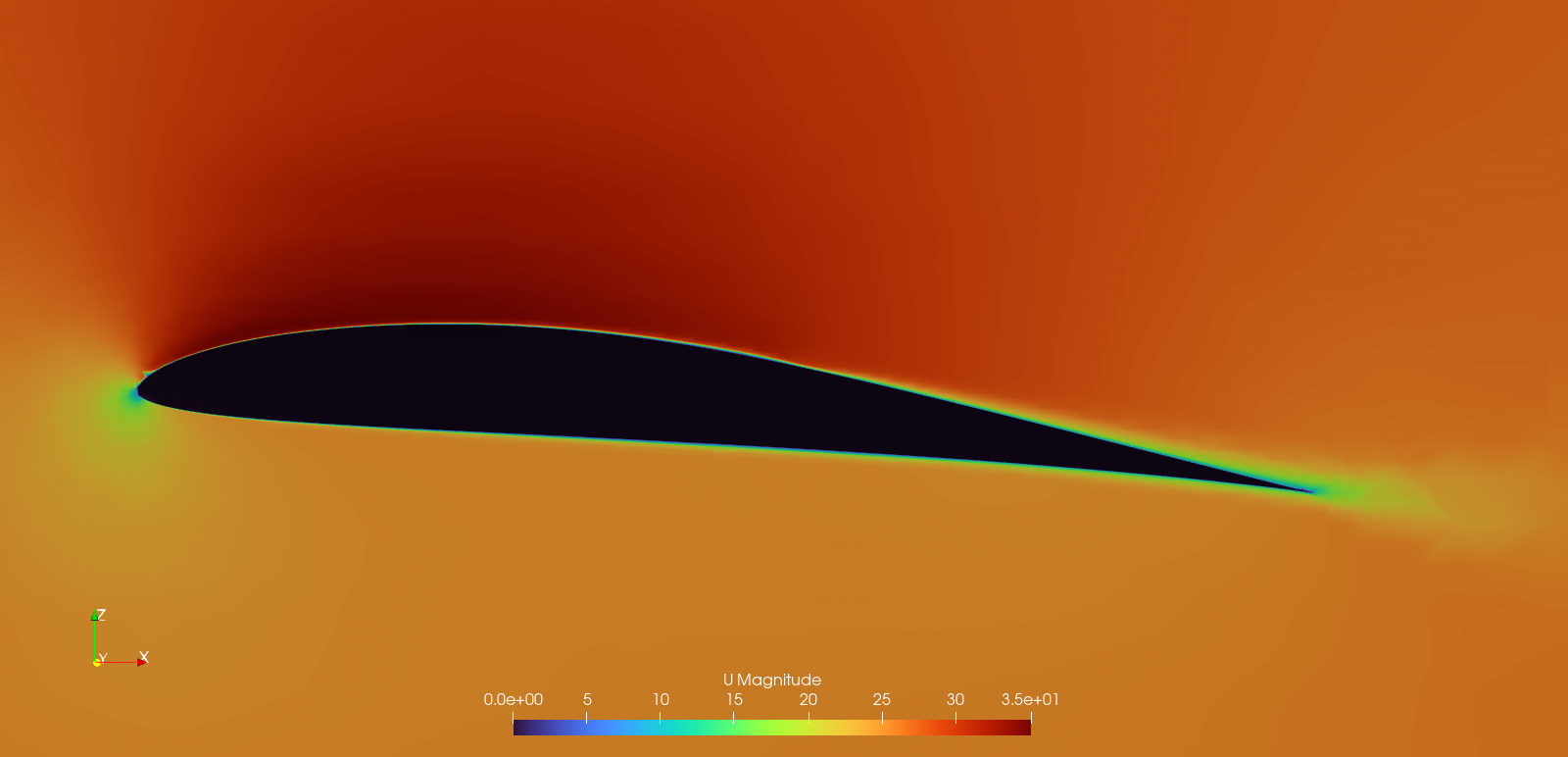
 CFD — Airfoil U magnitude
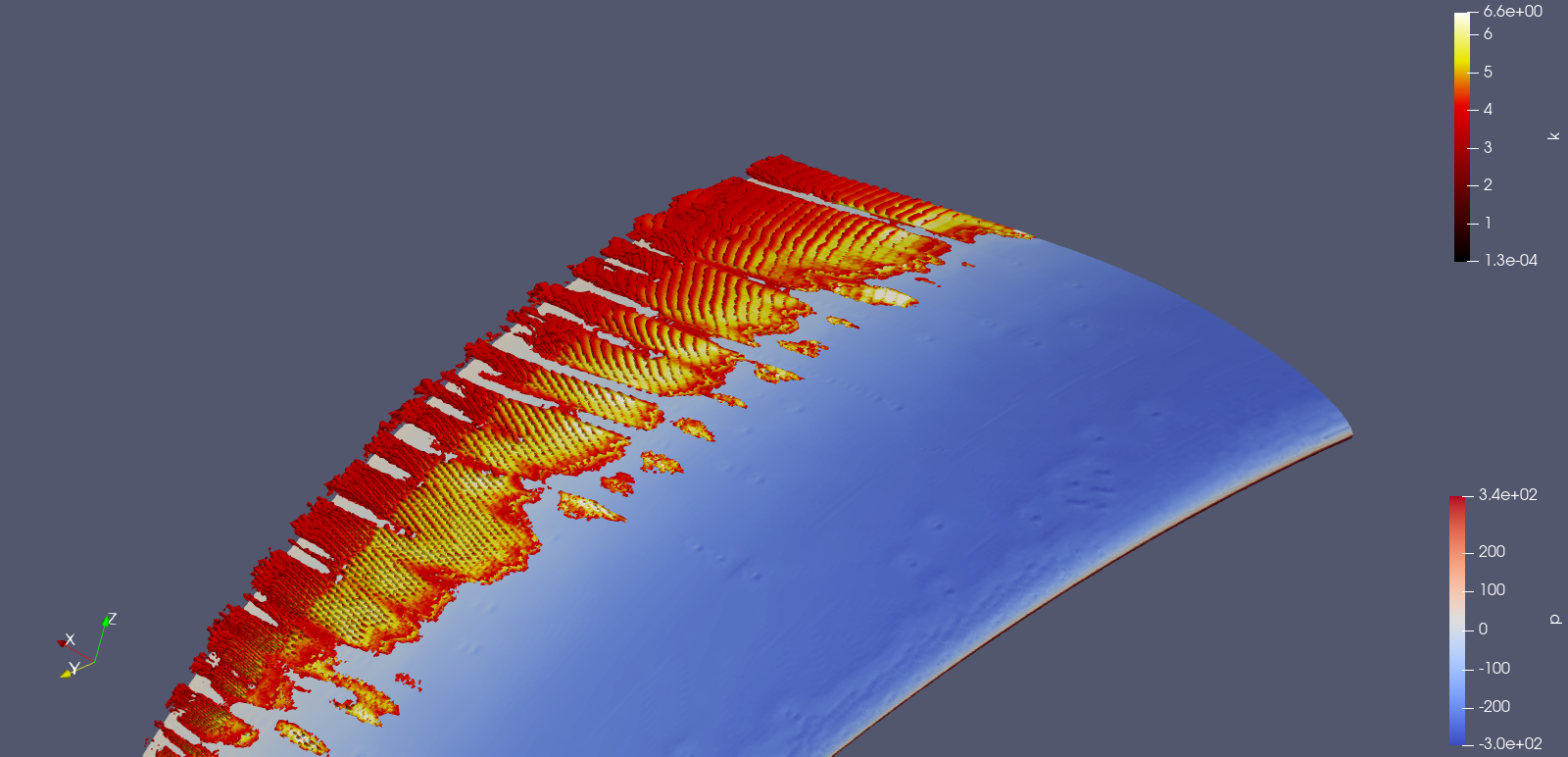 CFD — Wing turbulence kinetic energy
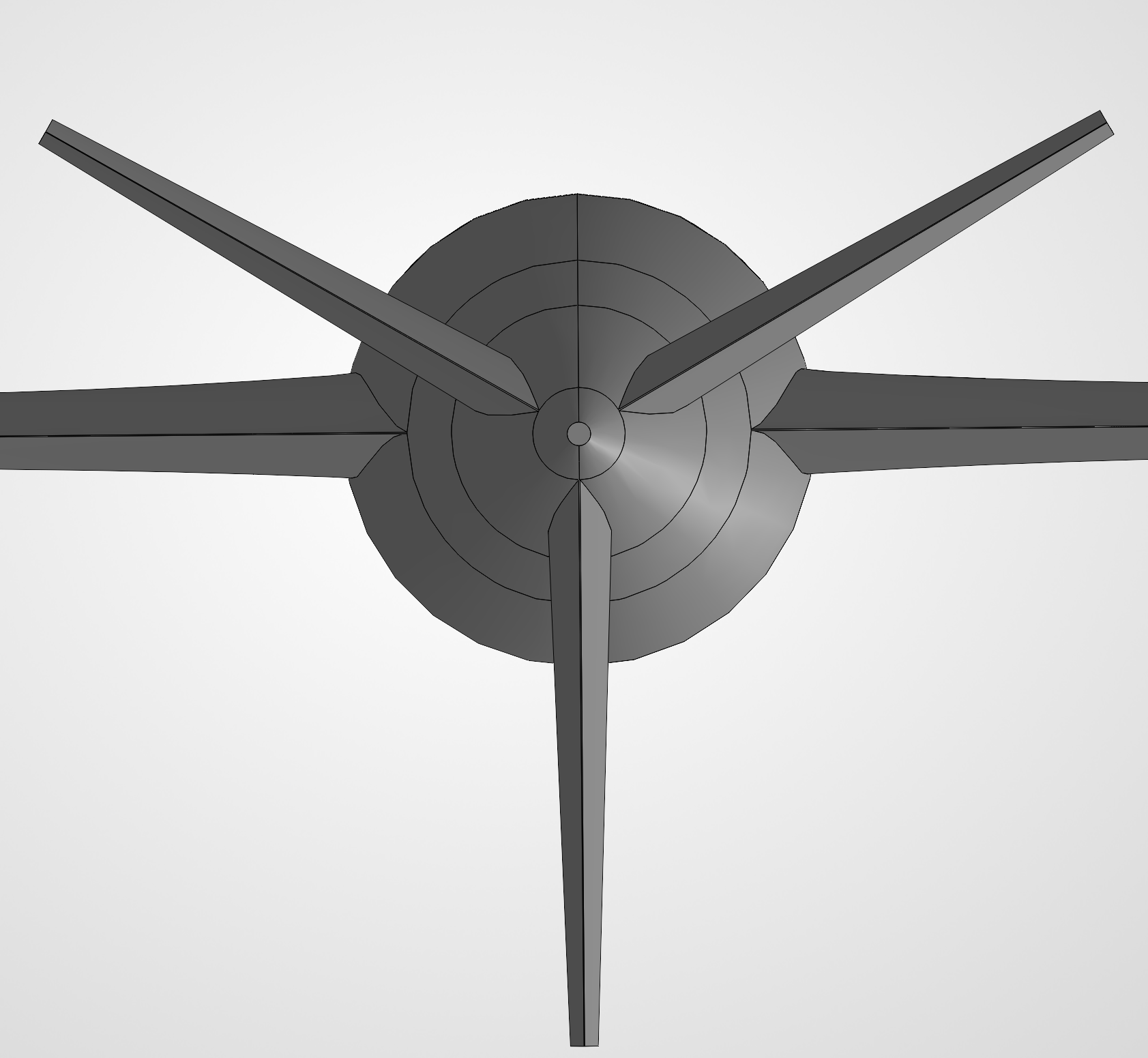
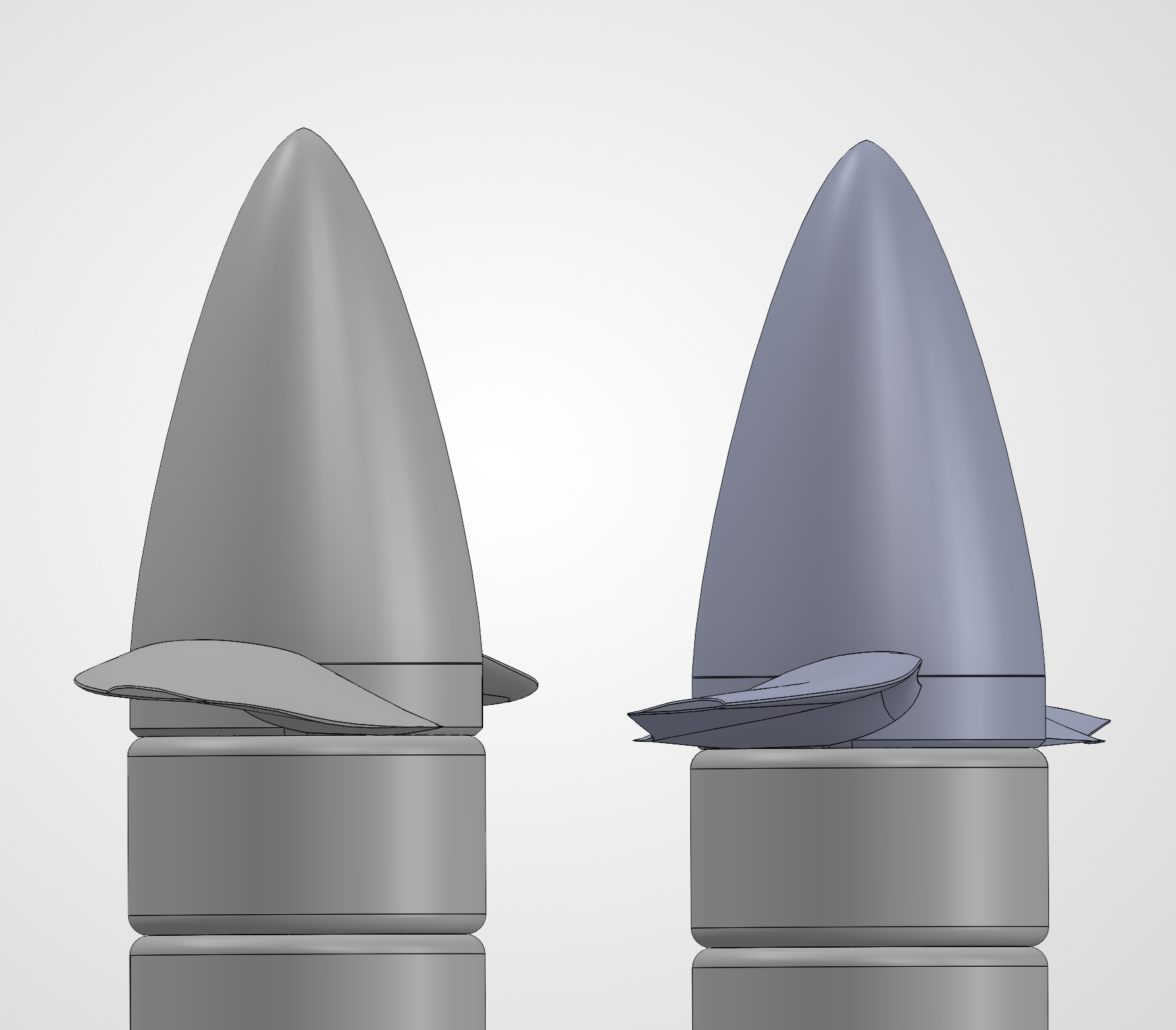
Distributed-lift VTOL architecture
Solving the 70-year VTOL efficiency compromise with a distributed-lift platform optimised for every phase of flight.
01 — The Problem
01
Optimise for hover and you sacrifice range. Optimise for cruise and you need a runway. VTOL missions have been capped at around 300 km for decades.
02
Redundancy kills payload. No redundancy means single-failure crashes. The result: expensive, unreliable platforms.
03
Traditional manufacturing cycles, slow iteration, mediocre compromises.
No existing platform delivers efficient hover and efficient cruise on the same airframe.
CFD — Airfoil U magnitude
CFD — Wing turbulence kinetic energy
02 — The World That Needs This
Climate change has rewritten the fire season across the Mediterranean, the Balkans, and Southern Europe. Wildfire incidents have roughly doubled in two decades. The conflicts of the past four years have driven rapid expansion in low-cost unmanned systems. Not just attack platforms, but surveillance, relay, and counter-architecture roles. Platforms costing thousands are doing jobs that previously required millions. And the operational medium is expanding: air-sea platforms are in development across four continents.
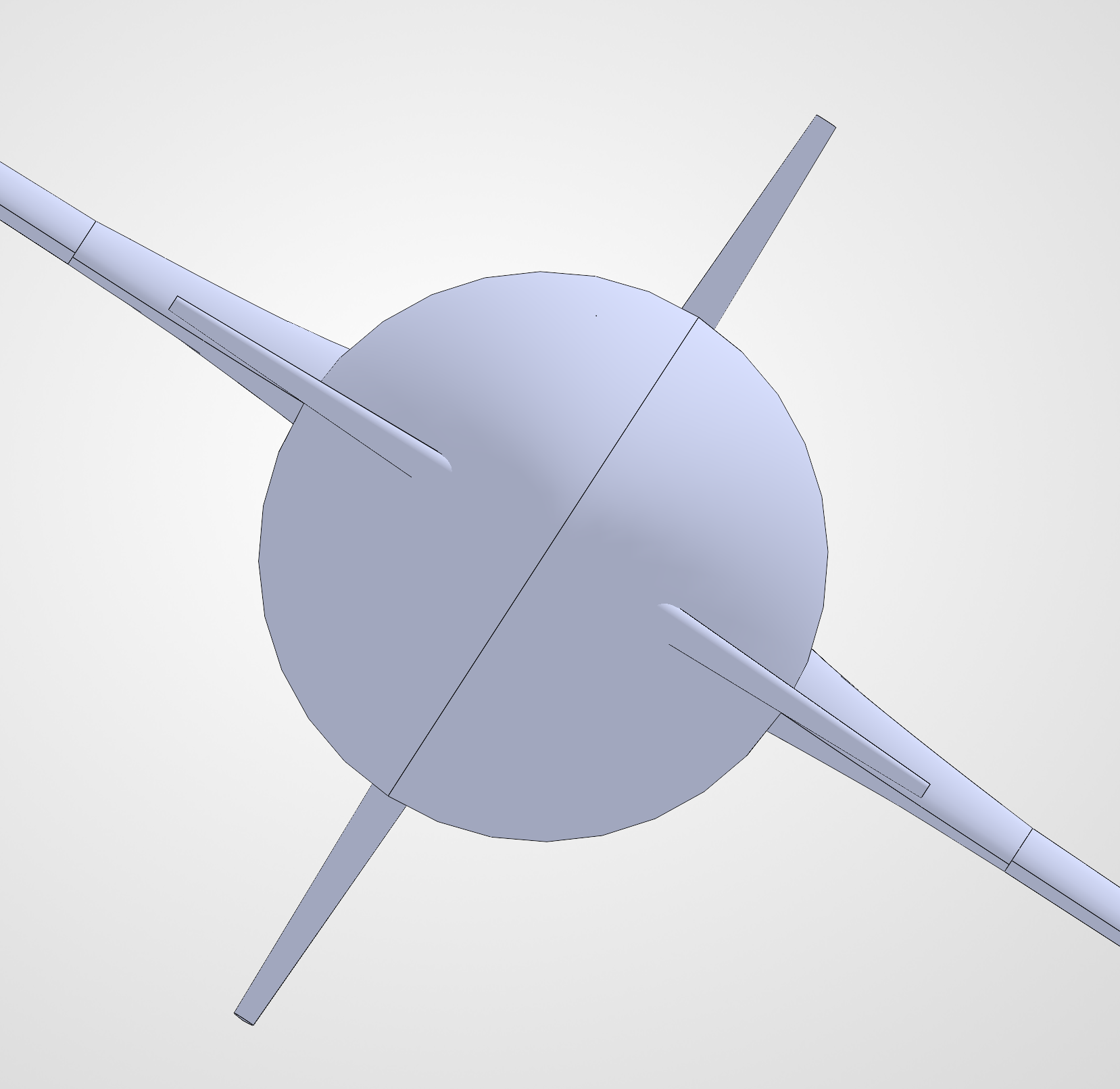
CAD — Distributed-lift platform, top view
The demand for capable, persistent, multi-role unmanned platforms is not a trend. It is a structural shift. And almost every platform being deployed today shares the same fundamental limitation the Theta architecture was designed to solve: built for one job, at one altitude, for one kind of mission.
The strategy is resilience and security. The tactic is redundancy and flexibility. The medium is a choice.
The manufacturers and contractors building the next generation of platforms need an architecture that can do more. That is what we license.
03 — The Architecture
by having more than one role.
This enables the Theta platform to perform in multiples, beyond conventional VTOL. Cruise efficiency, range, altitude ceiling, mission flexibility, redundancy and survivability are each dramatically better than the current state of the art.
If you build platforms, we should talk. You may have more options than you think.
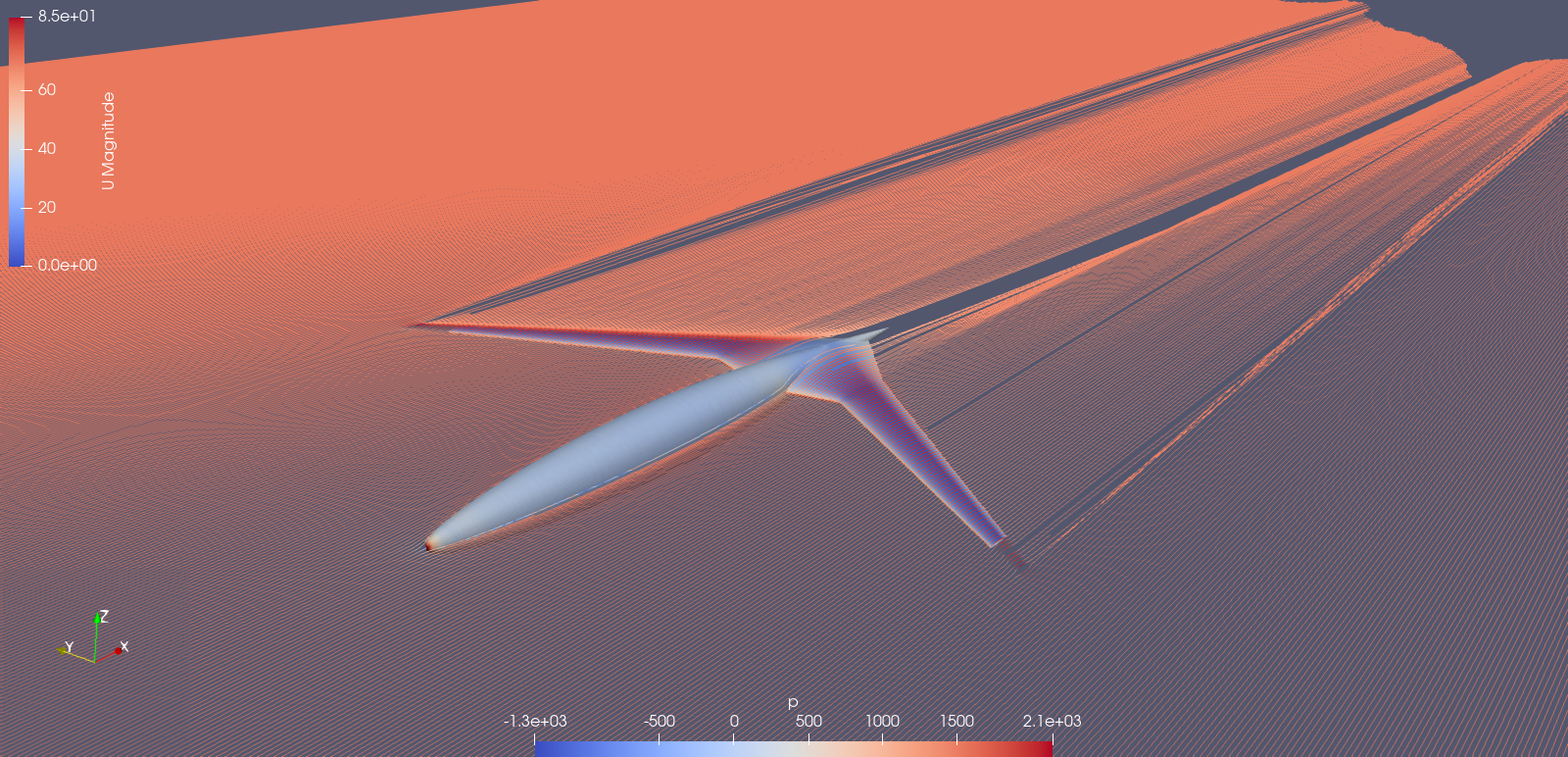 CFD — Full platform, U magnitude & streamlines
04 — Missions
The Theta architecture does not optimize for one mission. Same airframe, different payload, different role. Every application below is either in demand now or structurally growing, and every one of them benefits from range, altitude, and hover in the same vehicle.
CAD — Distributed-lift platform, front view
High-altitude thermal surveillance across hundreds of square kilometres per hour. Precision suppressant delivery. Direct integration with satellite systems and data.
Wide-area thermal detection, human heat-signature tracking, all-weather capability, precision payload drops to exact coordinates.
Persistent area monitoring at range, descend-to-hover over points of interest, SATCOM relay, long-endurance patrol without rotation.
Pipeline, grid, and critical facility surveillance. Hover for close inspection. Cryptographic data recording. Autonomous patrol routes.
Fast VTOL from staging point to incident site. Telemedicine relay, first-aid payload, no runway required at either end.
Emergency antenna deployment, satellite backup, all-weather, swarm-redundant coverage across wide areas.
Long endurance, pinpoint payload delivery, no runway, easy refuel. Islands, mountains, disaster zones, denied access.
Wide-area ocean monitoring, vessel identification, coverage of coastlines and exclusive economic zones without a ship.
Atmospheric sampling, pollution tracking, ecological survey, climate research at altitudes conventional drones cannot reach.
All of the above, adapted for complex operational environments. The architecture scales to the mission. The licensee decides the application.
The list will keep growing
05 — The Team
We can see further because we know whose shoulders we are standing on.
Flight-line pedigree. Fifty years combined in aerospace.
CEO & Inventor
Georgios Papageorgiou
Fighter jet and SAR helicopter engineer. 20 years Hellenic Air Force. MBA.
CTO
Stasinos Karampatsos
Systems integration and airworthiness. 30 years Hellenic Air Force. Combat Wing engineering commander.
COO
Eleftherios Sakellariou
Aircraft engineer. Composites, rapid prototyping, UAV flight testing. Prior drone startup exit.
Design & CFD
Giannis Diamantopoulos
Mechanical engineer. MSc transonic flow control.
3DP & Electronics
Michalis Karastefanis
Mechanical engineer. 3D printing, electronics, drone manufacturing.
Aalbun, Cambridge UK
One of the UK's leading IP firms. Experience across thousands of patent families globally. Aalbun has been using proprietary IP and AI to streamline IP workflow and draft top patents using PatentFactory™.
Jamie Urquhart, Cofounder, ARM, Cambridge UK
ARM designs the processor architecture found in virtually every smartphone and smart device on the planet, and probably in the device you're reading this on. That business model is our inspiration for aerospace.
In memoriam, 2026. Read our tribute
A team that has been here before, building foundational technology, protecting it properly, and licensing it at scale.
06 — The Pipeline
Our business model is commercialising the intellectual property our research produces. The platform is one output. The deeper output is a continuously evolving set of principles (structure, aerodynamics, redundancy, propulsion) that keep generating new results. Every problem we solve compounds: lighter structures, more efficient aerodynamics, more intelligent redundancy, better propulsion. Missions previously impossible in duration, altitude, and operational profile become routine.
The underlying physics are relevant wherever machines move through a medium. Rotating machinery, structural thermal management, modular reconfiguration, energy recovery. Each breakthrough has applications well beyond the platform that prompted it. There is considerably more in the pipeline. What we can say: we approach every engineering problem the same way we approached the core architecture: from first principles, without the constraints of how it has always been done.
The platform is the proof.
The knowledge is the business.
07 — Contact
You may have more options than you think. Send us a note and we will get back to you.